18+ This site contains informational content about lottery-style games and guides. Content provided for educational and reference purposes only.
Canada-Play-Day

Canada-Play-Day

A structured, neutral information hub presenting detailed descriptions of lottery-style game concepts, extended manuals, index-friendly explanations, and clear procedural guidance designed for broad informational use across Canada.

The platform focuses on clarity, classification, and comprehensive coverage of conceptual game mechanics. Each section is crafted for users seeking structured reference material, extended descriptions, and insightful breakdowns of gameplay frameworks.

Explore Games

Highlights

  • Extensive descriptions of structured lotto-style concepts
  • Manuals optimized for readability and indexing
  • Clear breakdowns of multi‑step gameplay flows
  • Expanded content for large‑volume aggregators
  • Content tailored for Canadian informational context

Game Concepts

This section presents three original, fictional lotto-style game concepts designed solely for informational, non-commercial reference. Each description outlines structure, flow, and conceptual mechanics suitable for extended manuals and aggregator-friendly formats.

Conceptual Game Illustration

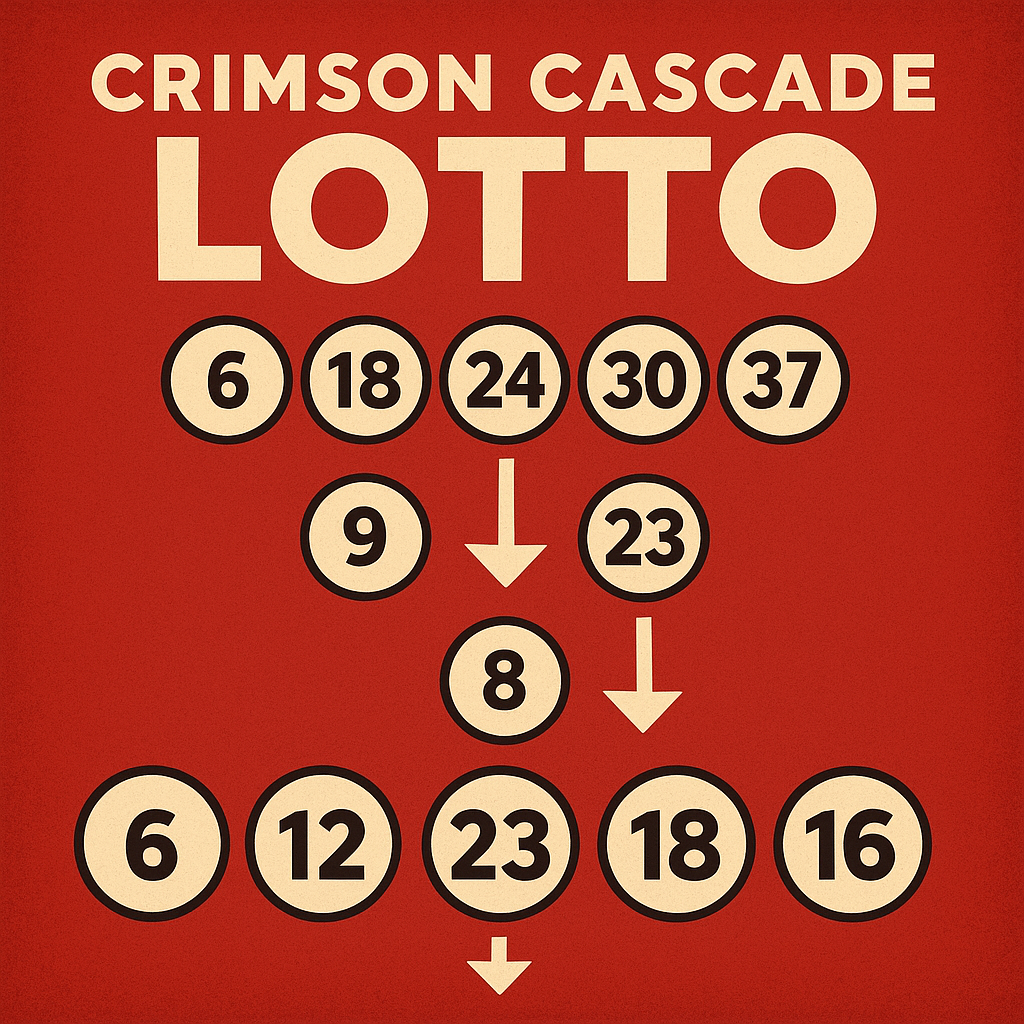
Crimson Cascade Lotto

Layered sequence mechanic

Crimson Cascade Lotto is structured around tiered number pools divided into cascading segments. Participants select combinations across multiple tiers, and the draw reveals results in a downward cascading sequence. Each stage influences the next, creating a structured, multi-step resolution.

Key points

  • Three-tier cascading draw sequence with staged reveals.
  • Participants distribute selections across upper, mid, and lower pools.
  • Outcome tiers defined by how many segments cascade into alignment.
Conceptual Game Illustration

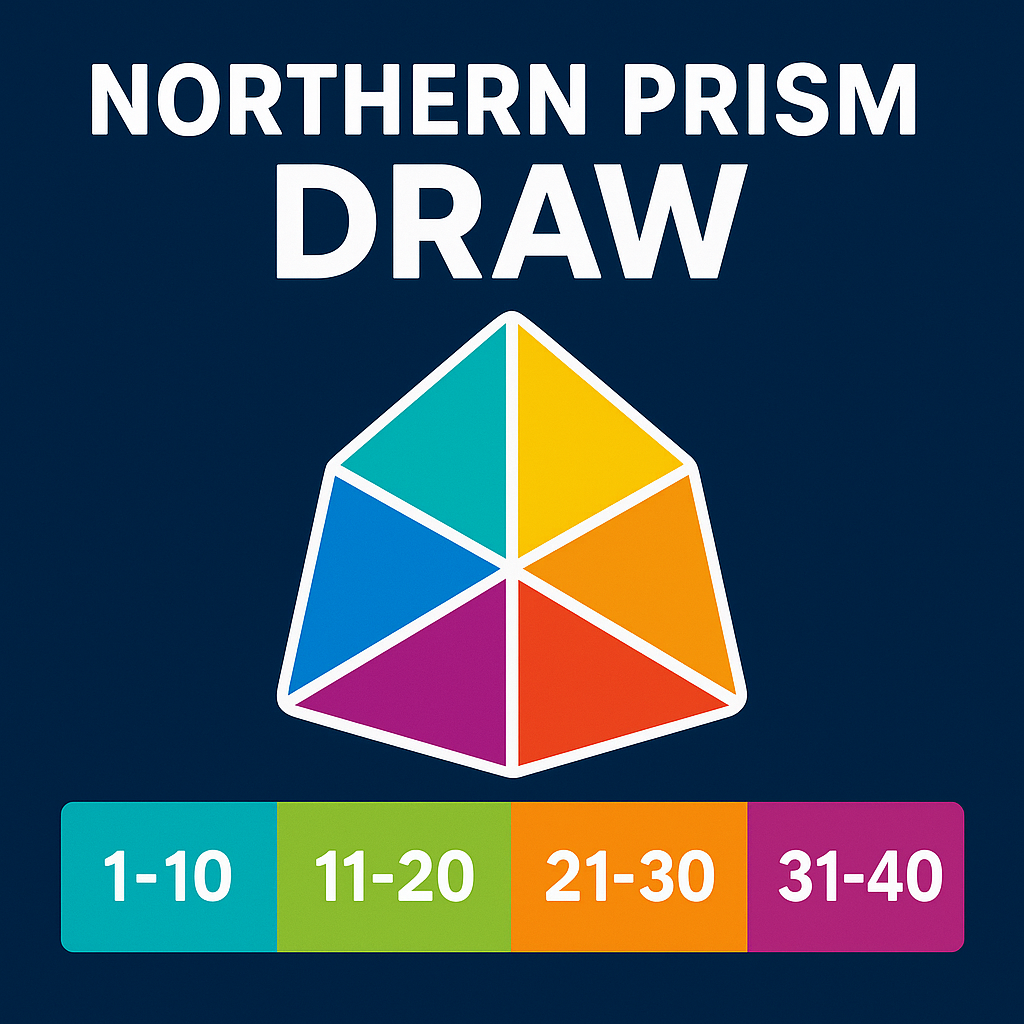
Northern Prism Draw

Color‑coded selection logic

Northern Prism Draw organizes number sets into color-coded groups, each representing a distinct probability range. Participants create a composite entry by selecting from multiple color groups. Final results are revealed through prism-themed segments that highlight which color zones align with the draw.

Key points

  • Color‑grouped selection system spanning multiple structured pools.
  • Draw reveals results through segmented color prisms.
  • Manual includes diagrams illustrating cross‑group alignment.
Conceptual Game Illustration

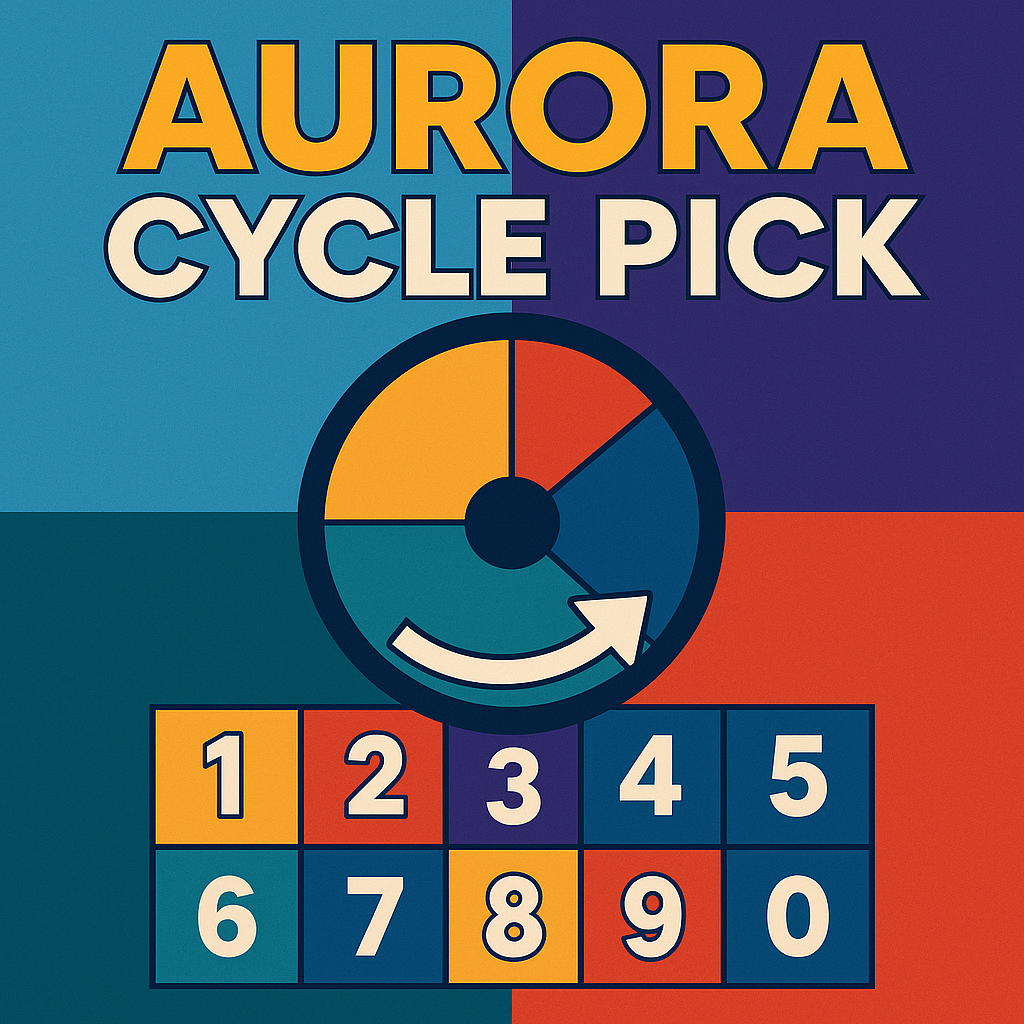
Aurora Cycle Pick

Rotational cycle mechanic

Aurora Cycle Pick is based on rotational cycles that shift number positions after each stage of the draw. Participants register combinations based on predicted final cycle positions. The multi-turn rotation system creates a structured, predictable sequence documented thoroughly in the manuals.

Key points

  • Multi-stage rotational cycle influencing final positions.
  • Participants select based on forecasted cycle alignments.
  • Manual includes rotation charts and timing diagrams.

Comprehensive Game Manuals

Below is a fully expanded informational manual covering all three fictional game concepts. Each manual is structured for clarity, reference use, and aggregator-friendly formatting.

Crimson Cascade Lotto

Layered Sequence Mechanic

Crimson Cascade Lotto is built around a three-tier cascading structure in which each tier contains a distinct number pool. Participants distribute choices across the upper, mid, and lower pools. During the draw sequence, results appear from the top tier downward, with every stage influencing the next. The cascading effect establishes predictable resolution steps, allowing users to understand how earlier reveals shape later outcomes.

Structure Overview

  • Upper Tier: Contains the smallest pool and sets the initial alignment stage.
  • Mid Tier: Interprets outcomes based on upper-tier reveals, adjusting probabilities in real time.
  • Lower Tier: Completes the cascade by resolving all remaining matches and finalizing the outcome tier.

Draw Flow

Draws proceed sequentially. First, numbers from the upper pool are revealed. These results frame which mid-tier combinations remain relevant. Once mid-tier draws conclude, the system filters the viable pathways into the final lower-tier reveal. Manuals outline relationships between tiers and include diagrams that illustrate how cascading sequences form structured, step-by-step results.

Reference Notes

  • Three-tier cascading draw system with staged reveals.
  • Detailed diagrams explain how tier interactions form final alignment scores.
  • Structured explanation tables break down example cascades for clarity.
  • Manual includes reference illustrations showing tier-to-tier transitions.

Northern Prism Draw

Color-Coded Selection Logic

Northern Prism Draw organizes number pools into color-coded categories. Each color represents a different probability zone. Players create composite entries by choosing from multiple colors, balancing spread and coverage. The draw reveals segmented prism columns, showing which colors aligned with the final results.

Color Group Structure

  • Red Group: High-probability cluster with narrower numeric ranges.
  • Blue Group: Mid-probability segment designed for balanced selection.
  • Gold Group: Wide-range group used for extended pattern variation.
  • Green Group: Low-frequency, high-spread zone stabilizing composite entries.

Draw Interpretation

Final results appear inside stacked prism columns. Each column corresponds to a color group, and the reveal illustrates which color cluster matched the draw pattern. Manuals include color-segment charts that map outcomes and show how cross-group selections are evaluated.

Reference Notes

  • Color-grouped system with layered probability segments.
  • Prism-based reveal illustrates distribution and alignment.
  • Manual diagrams show cross-group interactions.
  • Designed for users who need structured explanations of segmented logic.

Aurora Cycle Pick

Rotational Cycle Mechanic

Aurora Cycle Pick relies on multistage rotations in which number positions shift at each draw phase. Users make predictions based on where numbers are expected to land after the final rotation. The rotation system is designed to be predictable, with manuals providing cycle charts that detail each movement sequence.

Cycle System Breakdown

  • Initial Grid Formation: Numbers begin in a stable base layout.
  • Cycle Turn One: Grid rotates, shifting positions and altering match paths.
  • Cycle Turn Two: Further rotation narrows potential alignment outcomes.
  • Final Cycle: Final movement determines the resolved grid state used for comparison.

Outcome Resolution

Participants compare their predicted alignment with the final rotation state. Manuals include timing diagrams showing the exact duration and sequence of rotations, helping clarify how certain configurations emerge.

Reference Notes

  • Multi-stage rotational system influencing final result layout.
  • Forecast-based selection encourages structured prediction.
  • Cycle charts illustrate each rotation step clearly.
  • Manual includes flow diagrams for sequential interpretation.

FAQ — Canada-Play-Day

A structured, informational FAQ covering common questions about lottery-style concepts, game manuals, navigation, and general reference topics featured on Canada-Play-Day.

Canada-Play-Day is an informational aggregation site focused on conceptual lottery-style game structures and manuals. The content outlines mechanics, reference flows, diagrams, and multi-step logic for several fictional game formats designed strictly for educational and illustrative use.

All games described on the site are fictional models created to illustrate structured number mechanics. They are not linked to any operator, platform, or commercial service. The content remains neutral, non-promotional, and intended solely for reference reading.

Manuals include detailed breakdowns of each game’s flow, stage-by-stage logic, sequence diagrams, segmented pools, color-coded structures, rotational cycles, and multi-layered progression references. Each manual contains neutral terminology optimized for clarity and easy navigation.

Every manual is divided into structured segments such as overview, core mechanics, tier references, rotation or alignment charts, conceptual illustrations, and FAQ notes. Most manuals also include a summary panel for quick scanning, allowing readers to access the relevant stage or structural diagram immediately.

Yes. The concepts are designed to be neutral study examples. Users often review tiered patterns, structured sequences, or probability-inspired diagrams to better understand how fictional number systems can be illustrated in multi-layer references.

Charts and diagrams help visualize cascading sequences, grouped color zones, rotational cycles, and other multi-step structures. They enhance clarity and allow users to follow transitions between each conceptual stage more precisely.

No. The platform serves as a reference point and does not utilize personal accounts, payment processes, or data-driven services. Only informational content is displayed.

Updates occur periodically when new conceptual diagrams or extended manuals are added. Adjustments focus on readability, layered structuring, and expansion of neutral reference materials.